

Thelypteris kunthii Southern Shield Fern - Qt. Pots - Flat of 10
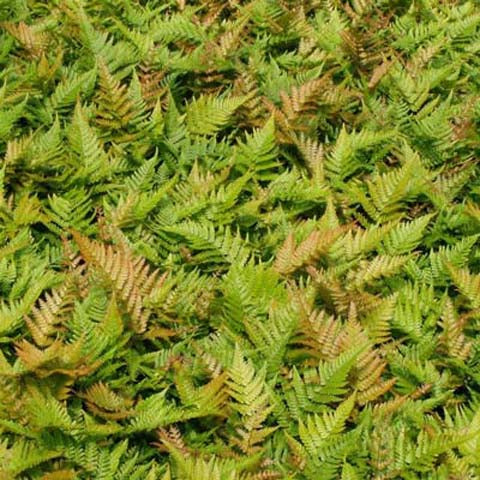
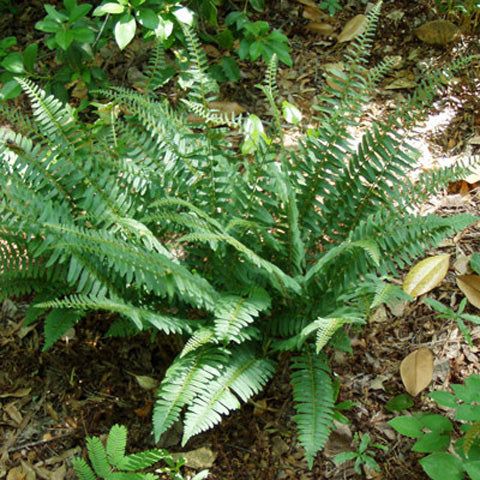
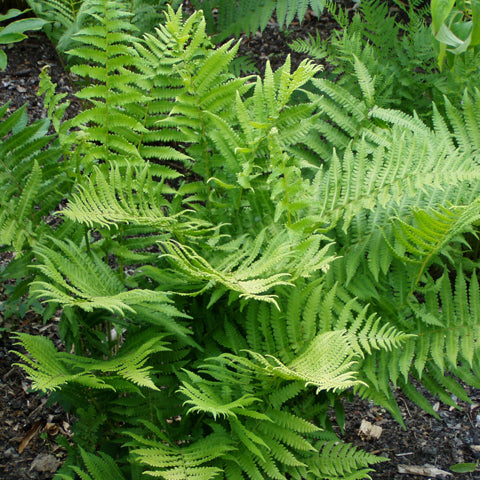
Graceful, resilient, and unmistakably native, Thelypteris kunthii, commonly known as Southern Shield Fern, lends a soft, natural elegance to woodland gardens, streambanks, rain gardens, and shaded landscapes throughout the southeastern United States. Its finely divided, bright green fronds rise in graceful clumps, creating a light, feathery texture that sways gently with every breeze.
Unlike many woodland ferns that demand consistently moist soils, Southern Shield Fern is remarkably adaptable once established. It thrives in rich, organically amended soils but tolerates a wider range of moisture conditions than many other native ferns. In favorable locations it gradually spreads by slender rhizomes, forming attractive colonies that suppress weeds and provide a lush, natural groundcover without becoming invasive.
This fern is especially valuable for native plant gardens, restoration projects, and wildlife-friendly landscapes. Its dense foliage offers shelter for beneficial insects, amphibians, and other small woodland creatures while contributing year-round structure to shaded plantings. Pair it with hostas, woodland phlox, foamflower, wild ginger, native sedges, or spring ephemerals for a layered woodland display that grows more beautiful with each passing season.
Whether you're recreating the look of a southern forest floor or simply seeking an easy-care fern for difficult shady areas, Thelypteris kunthii rewards gardeners with dependable performance, refined beauty, and enduring native character.
Name(s): Thelypteris kunthii', Southern Shield Fern
Flower Color: None
Bloom Time: None
Foliage: Evergreen, dark green, leathery.
Height/Spread: 18 inches to 28 inches x 28 inches to 36 inches.
Climate Zones: 7, 8, 9, 10
Find Your USDA Plant Hardiness Zone By Zip Code
Sun Exposure: Partial shade to full shade.
Soil Condition: Moist to well-drained, loamy, pH 6.1 to 7.5
Features: Evergreen foliage, deer resistant, insect resistant, disease resistant.
Uses: Massed planting, naturalizing, fern collections, woodland gardens, asian gardens, shade gardens and borders.
Comments: Plant in partial to full shade for the healthiest foliage.
Amend planting areas with compost or leaf mold to improve soil organic matter.
Keep evenly moist during the first growing season.
Apply a layer of natural mulch to conserve moisture and enrich the soil.
Remove old fronds in late winter or early spring before new growth emerges.
Allow colonies to expand naturally or divide established clumps in early spring if desired.
We can not ship this item to Alaska, Arizona, California, Hawaii, Nevada, Oregon and Washington.